


The Chancellor’s recent Autumn Budget 2025 brought a mix of relief and challenges for businesses across the UK. FEP have taken a look at the budget through a local lens to explore how these new government policies will affect businesses in the Forest of Dean. Several of our directors are also sharing their perspectives on the budget and its potential impact on them as business owners and representatives.
The Forest of Dean is district where small businesses form the backbone of the local economy, out of the 3,775 businesses in the district an incredible 3,425 are micro-businesses with anything between 0-9 employees.
This is a district where small independent retailers, hospitality venues, and global giants operate in the same towns and industrial parks, so we know these new measures will have a varying but tangible impact on day-to-day operations and future planning.
1. Business Rates Reform
One of the most significant announcements is lower business rates for retail, hospitality, and leisure properties. This is welcome news for the Forest of Dean’s independent shops, cafés, and pubs, which have faced sustained pressure from rising costs and reduced footfall, particularly since the Covid 19 pandemic.
For businesses in towns like Coleford, Lydney, Newent, and Cinderford, this could mean more breathing space to invest in staff, refurbishments, and marketing. However, larger commercial properties will see higher rates, shifting some of the burden to big operators.
Business rate relief for film studios also remains and with the Forest of Dean being a popular filming location (think Star Wars and Dr Who), this may have indirect benefits for the area. A thriving film industry means more productions and potentially more local filming opportunities.
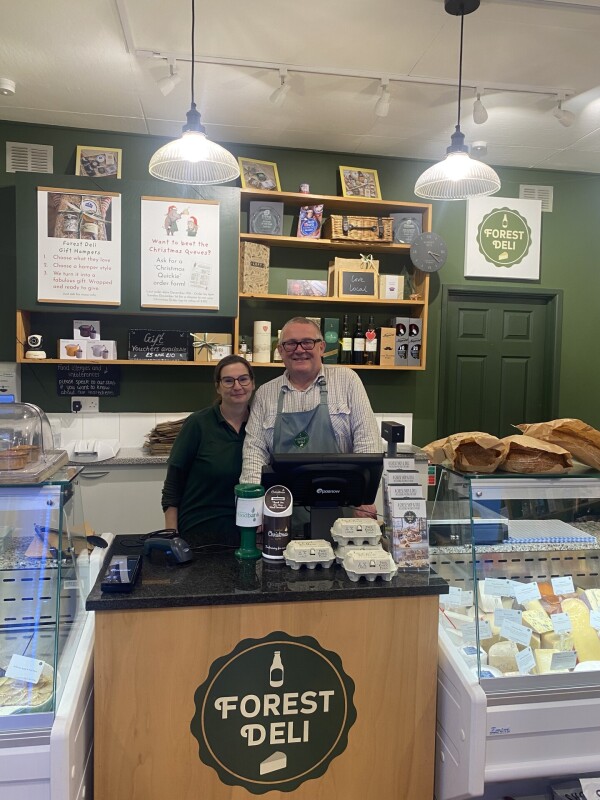
The Forest Deli, Coleford
2. Wage Increases and Employment Costs
From April 2026, the National Living Wage will rise to £12.71 per hour for workers over 21. While this supports fair pay for young people, it will significantly increase payroll costs for small businesses, who so often rely on weekend or seasonal staff. In turn, this may see job losses, reluctance to hire, and a reduction in opportunities for young people who would previously get their first taste of the working world in local cafés or pubs. For businesses with already small margins, this will be a difficult change for business owners and staff.
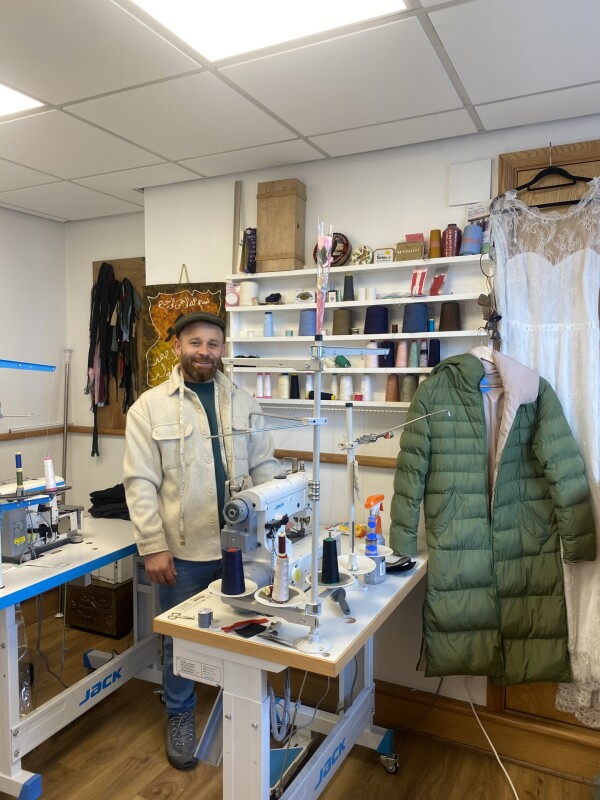
Forest Tailoring, Cinderford
3. Investment Incentives
The budget introduces a 40% First-Year Allowance for qualifying capital expenditure from January 2026. This is particularly relevant for businesses investing in machinery, green technology, or refurbishments. The £1 million Annual Investment Allowance remains in place, offering immediate tax relief on plant and equipment purchases. The Forest of Dean is home to some industry leading companies, such as SPP Pumps and Suntory in Coleford, that have consistently driven innovation, reflecting the district’s rich manufacturing and engineering heritage.
By making it easier to invest in machinery or green technology, these businesses will be able to continue to innovate in the Forest of Dean.
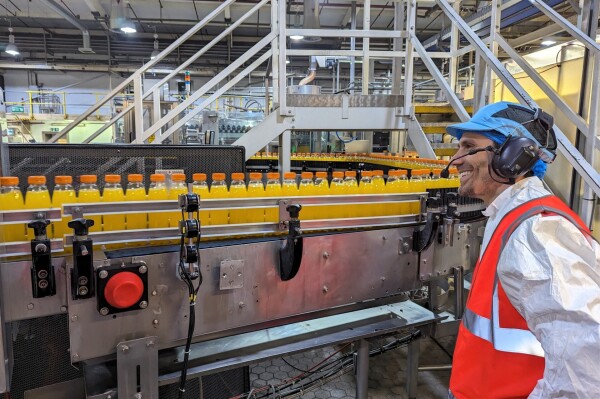
Suntory factory, Coleford
4. Support for Apprenticeships
FEP champion the value of apprenticeships but also recognise the barriers which can impact uptake from both employers and potential apprentices. With the new budget, SMEs will benefit from fully funded apprenticeships for under 25s, helping local businesses develop talent pipelines without bearing training costs. This could be a game changer for sectors like hospitality and construction, key industries in the district that we know struggle to recruit.

Hips Social, Lydney
5. Challenges Ahead: Tax Changes and Compliance
While corporation tax remains at 25%, other changes will tighten margins:
- Dividend tax rates will rise from April 2026.
- Property income will face new tax bands from 2027.
- Penalties for late tax filing will double from April 2026.
For local entrepreneurs and small businesses, these measures will likely be a headache and underline the importance of proactive tax planning and cashflow management.
However, remember the Growth Hub is there to support you. Whether with expert advice or workshops, the team can help you decode these new regulations and understand how they apply to your business.
What do FEP directors have to say?
Ian Mean, FEP director and a member of the Gloucestershire Economic Growth Board of the County Council , said:
“I saw nothing substantial in the Budget that shows the government are pro-business. That is what our SMEs in the Forest of Dean wanted to hear to give them confidence.
“Growth seemed to be the watchword of government pre-Budget but it really did nothing to invigorate the economy particularly for the hundreds of those small and medium size companies in the Forest struggling to survive.
“Few businesses can now enjoy the long-term confidence necessary for investment and growth.”
FEP director and Managing Director of Pedal A Bike Away said,
"The tourism and hospitality industry is facing an even tougher after a ‘triple whammy’ budget in 2024, which saw national living wage increases, increased national insurance contributions and lower national insurance thresholds.
This year in really impacts SMEs, which form a huge party of the local Forest of Dean economy.
- Income tax and National Insurance thresholds remain frozen until 2031, so more people are pulled into higher bands as wages increase, so while we are seeing wages increase, our staff won’t feel any better off.
- National living and minimum wages increase – up to another 8.5%, on top of up to an 18% increase last year. This has a huge impact on tourism and hospitality, where many casual staff work alongside school, college or university education. We will need look hard at every single role and reduce the size of the workforce, as will many other businesses.
- No changes to VAT at all – despite rumours of threshold changes before the budget, while there will be some business rate relief, this is a drop in the ocean, compared to the increase in costs. A reduction in vat would really help offset some of the increased costs business are facing, so it is disappointing not to see this happen.
- Dividend tax rises by 2p from April 2026, taking the basic rate to 10.75% and the higher rate to 35.75% - often used by small business owners to offset some of the financial risks they are taking, and supplement salary, this does not reward risk and investment in small businesses.
All in all, it was not a very positive budget for SMEs or tourism and hospitality."
Autumn Budget 2025 and how it affects small businesses - Small Business UK
https://www.smeweb.com/autumn-budget-2025-what-small-businesses-need-to-know/
https://www.gov.uk/government/news/budget-2025-fact-sheet-tax-support-for-businesses